Blog

  • Huawei’s CANN Toolkit: A New Catalyst in the AI Race?

    Huawei’s CANN Toolkit: A New Catalyst in the AI Race?

    # Huawei’s CANN Toolkit: A New Catalyst in the AI Race?

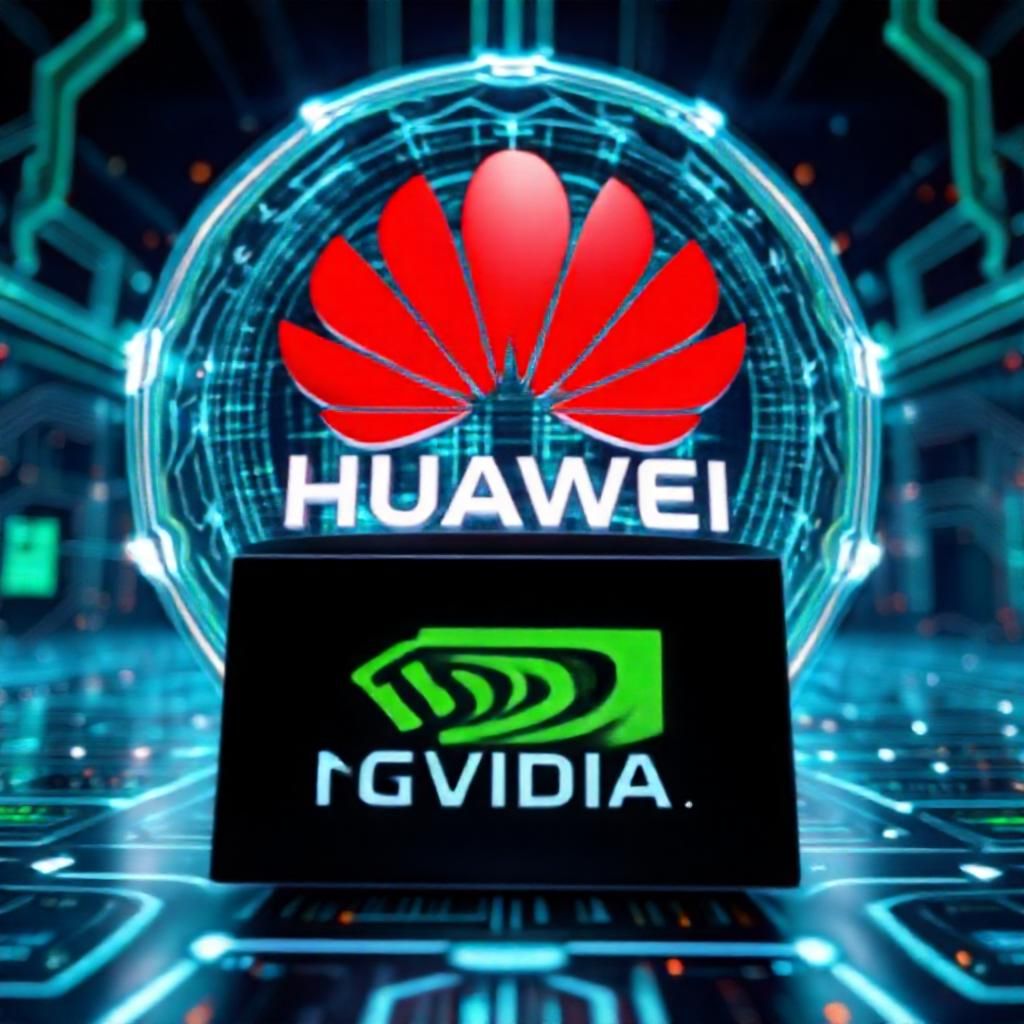
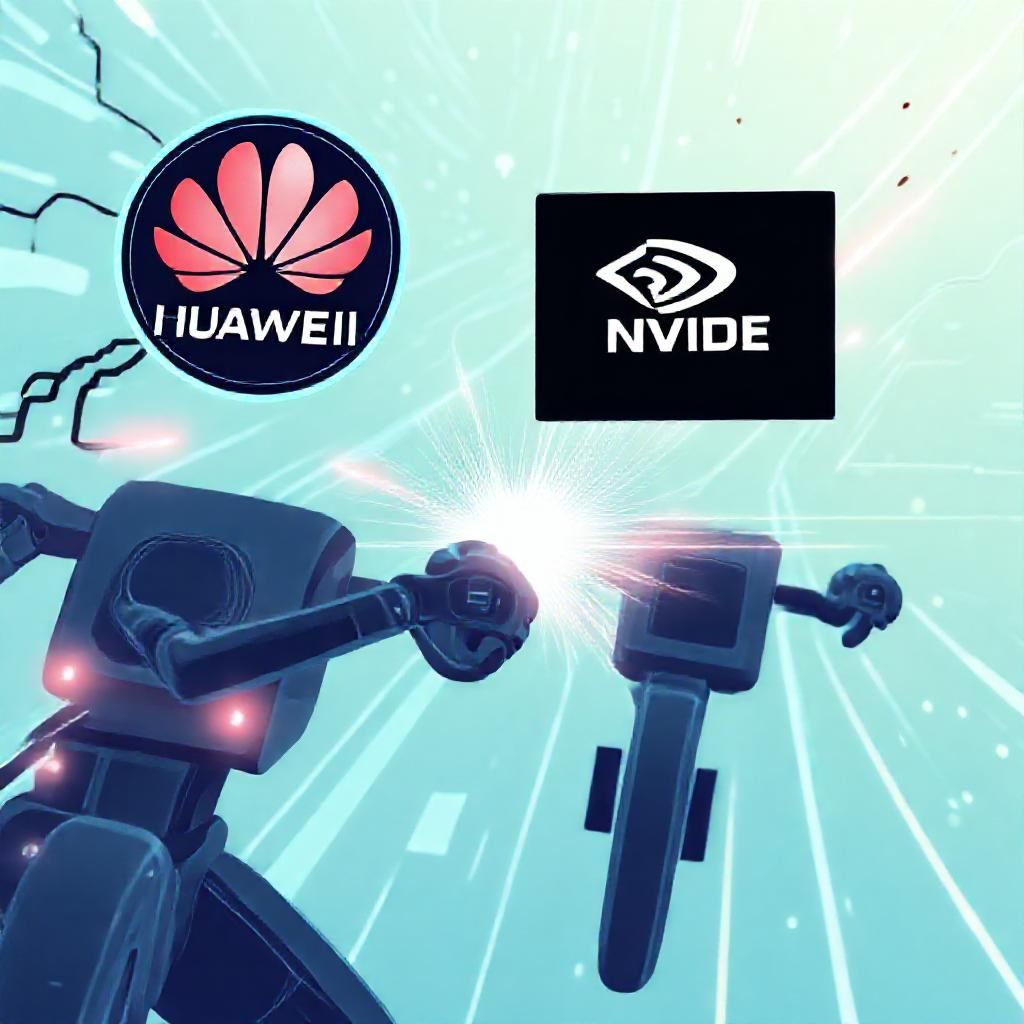
    In the ever-evolving world of artificial intelligence (AI), innovation is the key to unlocking new possibilities. This week, Huawei set the tech world abuzz by announcing its decision to open-source the CANN (Compute Architecture for Neural Networks) software toolkit. This move is stirring conversations across the industry, as it challenges NVIDIA’s long-standing CUDA monopoly, a dominant force in AI development.

    ## Breaking Down Barriers

    For years, NVIDIA’s CUDA has been the go-to platform for developers working on AI and machine learning projects. CUDA (Compute Unified Device Architecture) provides a robust framework for parallel computing, allowing developers to harness the power of NVIDIA GPUs to accelerate complex calculations. However, this has also led to a certain level of dependency, as developers are often tied to NVIDIA’s ecosystem.

    Huawei’s CANN, now open-sourced, presents a compelling alternative. By making CANN freely available, Huawei is not just providing a tool; it’s empowering developers worldwide to innovate without the constraints of proprietary software. This move could democratize AI development, giving rise to more diverse solutions and fostering healthy competition.

    ## The Technical Edge

    CANN is designed to optimize AI computing by simplifying the development process. It supports multiple hardware platforms and provides tools that enable efficient neural network training and deployment. With features such as automatic mixed precision and operator libraries, CANN is positioned to enhance performance while reducing the complexity of AI model development.

    Moreover, as an open-source solution, CANN allows developers to contribute and customize the toolkit to fit specific needs. This could lead to rapid advancements and improvements, driven by a global community of contributors.

    ## What This Means for the Future

    Huawei’s open-sourcing of CANN could lead to a significant shift in the AI landscape. By offering a viable alternative to CUDA, Huawei not only challenges the status quo but also encourages innovation through collaboration. This move could inspire other tech giants to reconsider their strategies, possibly leading to more open-source initiatives in the industry.

    While it’s still early to predict the full impact of this development, one thing is clear: Huawei’s CANN is set to be a game-changer in AI development, potentially accelerating the pace of innovation. As developers and companies explore this new tool, the AI community will be watching closely to see how it reshapes the competitive landscape.

    ## Conclusion

    The opening of the CANN toolkit is a bold statement from Huawei, signaling its intent to play a significant role in the future of AI technology. As it breaks new ground, it offers developers greater freedom and flexibility, promising exciting times ahead for the tech industry.

    Whether you’re a seasoned AI expert or simply curious about the latest tech trends, Huawei’s move is a reminder of the dynamic nature of technology and the endless possibilities that come with open innovation.

  • Inside Anthropic’s Mission to Build a Safer AI Future with Claude

    Inside Anthropic’s Mission to Build a Safer AI Future with Claude

    ### Inside Anthropic’s Mission to Build a Safer AI Future with Claude

    In the rapidly evolving world of artificial intelligence, ensuring that AI systems are safe and beneficial is not just a feature—it’s a necessity. Anthropic, a company at the forefront of AI development, has recently detailed its proactive strategy to maintain safety in its popular AI model, Claude. This move is part of a broader industry trend that recognizes the potential for AI to cause harm if not carefully managed.

    Central to Anthropic’s safety strategy is their unique Safeguards team. Unlike a typical tech support group, this team is a melting pot of policy experts, data scientists, engineers, and threat analysts. Together, they bring a 360-degree perspective to the challenges of AI safety. Their mission is to anticipate and mitigate the risks associated with AI, particularly those that bad actors might exploit.

    One key aspect of Anthropic’s approach is the integration of safety into the development lifecycle of Claude. Instead of treating safety as an afterthought, Anthropic embeds these considerations into every stage of development. This involves rigorous testing and constant monitoring for any signs of misuse or unexpected behavior.

    The Safeguards team also plays a crucial role in policy development. By staying ahead of regulatory changes and ethical considerations, they ensure that Claude not only complies with current standards but also sets a benchmark for future AI safety protocols.

    Furthermore, Anthropic emphasizes transparency and collaboration. They actively engage with the wider AI community to share insights and best practices. This openness fosters collective learning and helps build trust with users and stakeholders alike.

    The challenges of AI safety are complex and ever-changing. However, Anthropic’s multi-faceted approach demonstrates a commitment to addressing these challenges head-on. By investing in a diverse team of experts and embedding safety into every layer of Claude’s development, Anthropic is pioneering a path towards a future where AI technology is both powerful and responsible.

    ### Conclusion

    Anthropic’s strategy offers a blueprint for other AI developers. As AI continues to become more integrated into our daily lives, the need for robust safety measures cannot be overstated. With companies like Anthropic leading the way, we can be hopeful for an AI-driven future that prioritizes safety and ethics.

  • GPT-5: OpenAI’s Subtle Evolution in AI

    GPT-5: OpenAI’s Subtle Evolution in AI

    # GPT-5: OpenAI’s Subtle Evolution in AI

    In the world of artificial intelligence, every new release from OpenAI is met with eager anticipation, much like a blockbuster film’s premiere. This time, the spotlight is on GPT-5, the latest iteration of OpenAI’s language model series. But while the buzz is undeniable, the story here is more about refinement than revolution.

    ## A Polished Performer

    Grace Huckins, in her insightful report, encapsulates the essence of GPT-5 succinctly: it’s a refined product. This means that while GPT-5 might not be the game-changer some were hoping for, it undeniably builds upon the solid foundations laid by its predecessors. Users can expect a smoother, more reliable interaction experience, which is no small feat given the complexities of language modeling.

    ### What’s New in GPT-5?

    The advancements in GPT-5 are largely iterative, focusing on enhancing the model’s efficiency, accuracy, and versatility. While previous versions made headlines with their leaps in capabilities, GPT-5 focuses on the nuances that improve day-to-day interactions:

    – **Enhanced Context Understanding**: GPT-5 offers improved context understanding, making conversations feel more natural and coherent.
    – **Better Error Handling**: It handles ambiguities and errors more gracefully, reducing the frustration of nonsensical responses.
    – **Increased Efficiency**: The model runs more efficiently, providing quicker responses and requiring less computational power.

    ## The Bigger Picture

    In the grand scheme of AI development, GPT-5’s enhancements illustrate a crucial phase of technological evolution. As AI models mature, the focus often shifts from groundbreaking innovations to refining and perfecting what already exists. This phase is critical for achieving the levels of reliability and user satisfaction that will define AI’s integration into everyday life.

    ## Looking Ahead

    While GPT-5 might not be the seismic shift some were expecting, it represents a significant step in AI’s ongoing journey. It highlights OpenAI’s commitment to polishing its products, ensuring they meet the growing demands of users worldwide. As we witness this subtle evolution, we can anticipate even more sophisticated iterations in the future.

    In the end, GPT-5 reminds us that sometimes, the most meaningful progress comes not from giant leaps, but from the steady, deliberate refining of existing capabilities.

  • GPT-5: The AI That Makes Us Rethink Human Potential

    GPT-5: The AI That Makes Us Rethink Human Potential

    ### GPT-5: The AI That Makes Us Rethink Human Potential

    Imagine a world where artificial intelligence can craft an original symphony, pen an award-winning novel, or even conduct complex scientific research. OpenAI’s latest AI model, GPT-5, is inching us closer to such a reality, with capabilities that have left even its creators in awe. Released last Thursday, GPT-5 has prompted OpenAI CEO Sam Altman to express feelings of inadequacy compared to this technological marvel, drawing parallels to the heavy responsibility felt by the developers of the atom bomb.

    #### A Leap in AI Evolution

    So what makes GPT-5 stand out in the bustling world of AI advancements? While many tech giants are producing models with similar functions, GPT-5 distinguishes itself through its ability to understand and generate human-like text with unprecedented accuracy and nuance. This breakthrough is not just about creating better chatbots or virtual assistants; it’s about redefining what machines can do.

    GPT-5 is built on a sophisticated architecture that allows it to process and generate text that is contextually aware, emotionally resonant, and highly adaptive. For instance, it can tailor responses based on subtle cues in the data it processes, a feature that greatly enhances its ability to perform tasks that require a nuanced understanding of human language and intention.

    #### The Implications of GPT-5

    The release of GPT-5 is a significant milestone, not just for OpenAI but for the entire field of artificial intelligence. Its capabilities signal a shift towards AI systems that can perform tasks traditionally reserved for humans, raising questions about the future of work, creativity, and even human identity. As AI systems like GPT-5 become more integrated into our daily lives, they challenge us to rethink what it means to be human in an increasingly automated world.

    However, with great power comes great responsibility. The potential for misuse of such powerful AI models is a concern that OpenAI takes seriously. The company has implemented stringent guidelines and safety measures to ensure that GPT-5 is used ethically and responsibly.

    #### Looking Forward

    As we stand on the brink of this new era, the conversation around AI is more important than ever. GPT-5 is not just a tool but a catalyst for discussion about the ethical, social, and economic implications of AI. It invites us to consider how we can harness its potential for the greater good, ensuring that this technological leap benefits all of humanity.

    In conclusion, GPT-5 is a testament to how far we’ve come in the field of AI, yet it also serves as a reminder of the challenges and responsibilities that come with such advancements. As we continue to innovate, the dialogue surrounding AI will shape how these technologies are developed and integrated into our world. The future is here, and it’s powered by AI.

  • Unlocking the Mysteries of Artificial General Intelligence: Are We There Yet?

    Unlocking the Mysteries of Artificial General Intelligence: Are We There Yet?

    ### Unlocking the Mysteries of Artificial General Intelligence: Are We There Yet?

    Artificial Intelligence (AI) has become a buzzword that promises to change the world as we know it. From recommending your next favorite movie to helping doctors diagnose diseases, AI is indeed multi-faceted. Yet, when it comes to Artificial General Intelligence (AGI)—the Holy Grail of AI development—the journey is just beginning.

    #### What is Artificial General Intelligence?

    AGI refers to a form of AI that can understand, learn, and apply intelligent behavior across a wide range of tasks, much like a human being. Unlike the specialized AI models we see today, which excel in specific tasks like playing chess or recognizing images, AGI aims for a broader understanding and capability. This means solving problems and puzzles, making decisions, and learning from new experiences in a way that approaches or exceeds human intelligence.

    #### The Current State of AI

    Today’s AI models are undeniably powerful. They can discover new drugs by analyzing vast datasets and even write complex code. However, they struggle with tasks that a layperson might find trivial, such as solving a simple puzzle. This paradox highlights the limitations of current AI systems and underscores the complexity of achieving AGI.

    #### The Challenges Ahead

    One of the main challenges in developing AGI is the need for a more profound understanding of human cognition. Current AI systems rely heavily on data and pattern recognition, but true intelligence requires context, intuition, and creativity—traits that are inherently human. Moreover, ethical considerations, computational power, and the need for robust, adaptable algorithms are significant hurdles that researchers must overcome.

    #### Recent Insights and Developments

    While the road to AGI is long and fraught with challenges, recent developments show promise. Advances in neural network architectures, reinforcement learning, and the integration of cognitive science principles into AI models are paving the way for more versatile systems. Additionally, the rise of open-source AI research fosters collaboration, driving innovation at an unprecedented pace.

    #### Conclusion: Are We There Yet?

    The question remains: Can today’s AI revolution produce models that rival or surpass human intelligence across all domains? While we are making strides, AGI remains a frontier not yet crossed. The journey will require not only technological advancements but also a deeper understanding of intelligence itself. As researchers continue to explore the mysteries of the human mind and machine learning, the dream of AGI remains both tantalizing and elusive.

    As we stand on the brink of unprecedented technological evolution, the quest for AGI continues to inspire, challenge, and intrigue. Who knows what the future holds?

  • Unmasking the Invisible: How Google and UC Riverside’s UNITE Tackles the Deepfake Challenge

    Unmasking the Invisible: How Google and UC Riverside’s UNITE Tackles the Deepfake Challenge

    ### Unmasking the Invisible: How Google and UC Riverside’s UNITE Tackles the Deepfake Challenge

    In a digital age where seeing is no longer believing, the rise of deepfakes—AI-generated videos that can convincingly mimic real people—has sparked concern across the globe. With the potential to disrupt elections, tarnish reputations, and spread misinformation, the ability to detect these falsified videos has become more critical than ever.

    Enter UNITE, a revolutionary tool developed through a collaboration between Google and researchers at UC Riverside. While traditional deepfake detection methods focus on facial analysis, UNITE takes a broader approach, making it a game-changer in the fight against digital deception.

    #### Beyond the Face: How UNITE Works

    UNITE stands out because it doesn’t rely solely on facial recognition. Instead, it scans the entire video for subtle inconsistencies. This includes analyzing backgrounds, motion patterns, and even the interplay of light and shadow. By scrutinizing these elements, UNITE can identify deepfakes even when the faces are obscured or absent—a common tactic used to bypass conventional detection systems.

    This holistic approach is particularly crucial as deepfake technology continues to evolve. With AI becoming more adept at creating lifelike videos, the ability to spot fake content without relying on facial cues provides a much-needed layer of defense.

    #### Implications and Applications

    The potential applications for UNITE are vast. Newsrooms, social media platforms, and security agencies could all benefit from this technology. As the lines between real and fake continue to blur, tools like UNITE could help safeguard the truth, providing audiences with more reliable information.

    Moreover, the development of UNITE highlights the importance of interdisciplinary collaboration in tackling modern technological challenges. By combining Google’s AI prowess with UC Riverside’s research expertise, this project exemplifies how partnerships can drive innovation.

    #### A Future-Proof Solution?

    While UNITE represents a significant leap forward, the battle against deepfakes is far from over. As AI technology continues to advance, so too will the tactics of those creating deepfakes. Continuous research and development will be essential to stay ahead in this digital arms race.

    Nonetheless, UNITE offers a promising glimpse into the future of digital security, where tools are not just reactive but proactive in identifying and mitigating emerging threats. In a world where misinformation can spread at the speed of a click, having robust detection measures is not just beneficial—it’s vital.

    In conclusion, as deepfakes become more common and harder to detect, innovations like UNITE are crucial steps towards preserving the integrity of information in our digital society. By looking beyond the obvious, Google and UC Riverside are helping to ensure that truth remains a cornerstone of the internet.

  • Harvard’s Ultra-Thin Chip: A Quantum Leap Forward

    Harvard’s Ultra-Thin Chip: A Quantum Leap Forward

    # Harvard’s Ultra-Thin Chip: A Quantum Leap Forward

    Imagine a world where the power of quantum computing fits neatly onto a chip thinner than a human hair. Thanks to pioneering research from Harvard University, this isn’t just a dream—it’s an emerging reality. The team has developed an innovative metasurface that could replace the cumbersome optical components traditionally used in quantum computing.

    ## The Breakthrough

    Quantum computing is often heralded as the future of technology, promising to solve complex problems that are beyond the reach of classical computers. However, one of the major roadblocks has been the size and complexity of the optical components required to generate and manipulate quantum states. Harvard’s new metasurface changes the game entirely.

    This metasurface consists of a single, ultra-thin layer designed with nanostructures, capable of performing sophisticated quantum operations. These surfaces are engineered to generate entangled photons—a key resource for quantum computing. The ability to produce these entangled photons on such a compact scale can lead to quantum systems that are not only more efficient but also more stable and easier to scale.

    ## The Role of Graph Theory

    What makes this innovation particularly fascinating is its reliance on graph theory. The Harvard team utilized this mathematical concept to simplify the design of the quantum metasurfaces. Graph theory allowed them to map complex relationships and interactions within the metasurface, optimizing its ability to handle quantum operations efficiently.

    ## Implications for the Future

    This technological leap is significant for several reasons. First, it represents a move towards room-temperature quantum technology, moving away from the cold environments traditionally required. Additionally, the compact nature of the metasurface could make it easier to integrate quantum components into existing technologies, accelerating the development of quantum networks and quantum internet.

    Beyond quantum computing, this metasurface innovation has potential applications in photonics and telecommunications, offering new ways to manipulate light with unprecedented precision.

    ## Conclusion

    Harvard’s ultra-thin chip is more than just a piece of hardware; it’s a visionary step forward in the quest to harness the power of quantum mechanics. As researchers continue to refine and expand upon this technology, we may soon witness a new era of computing—one that is faster, more powerful, and more accessible than ever before.

    Stay tuned as this exciting field evolves, promising to reshape our technological landscape in ways we are only beginning to imagine.

  • Swarms of Tiny Robots: The Future of Self-Healing Tech

    Swarms of Tiny Robots: The Future of Self-Healing Tech

    # Swarms of Tiny Robots: The Future of Self-Healing Tech

    In a fascinating leap forward for technology, scientists have unveiled swarms of microscopic robots that can ‘talk’ to each other using sound waves. These tiny marvels mimic the communication strategies of bees and birds, creating a coordinated and adaptable robotic system capable of performing complex tasks in challenging environments.

    ### The Magic of Sound Waves

    Much like a murmuration of starlings or a bustling hive of bees, these tiny robots communicate through sound. This method allows them to coordinate their actions seamlessly, adapting to their environment and even reforming when damaged. This self-organization is akin to a biological swarm, making these robots highly resilient and versatile.

    ### How It Works

    At the core of this innovation is the ability of the robots to emit and interpret sound waves. This communication network enables them to stay in constant contact, sharing information about their surroundings and adjusting their actions accordingly. This means that if part of the swarm is disrupted, the rest can adapt quickly, maintaining the integrity of their mission.

    ### Potential Applications

    The potential applications for these swarming robots are vast and transformative. In medicine, they could deliver targeted treatments to specific areas of the body, minimizing side effects and improving outcomes. In environmental science, they might clean up oil spills or other pollutants, navigating difficult terrain with ease. Additionally, their ability to explore hazardous environments could revolutionize industries like mining, search and rescue, or even space exploration.

    ### Challenges and Future Prospects

    Despite their promise, these swarming robots face challenges, particularly in scaling production and ensuring robust communication in more complex environments. Researchers are actively working on overcoming these hurdles, drawing inspiration from natural systems and advancing the technology.

    The future of robotics is indeed exciting, with these tiny, self-healing robots leading the charge. As scientists continue to refine these systems, we can expect to see even more innovative applications emerge, transforming industries and improving lives worldwide.

    As technology continues to evolve, the line between science fiction and reality blurs ever more, inviting us to imagine what might come next.

  • SoundHound AI: Now Seeing the World Beyond Voice

    SoundHound AI: Now Seeing the World Beyond Voice

    ### SoundHound AI: Now Seeing the World Beyond Voice

    Imagine driving through a city, your curiosity piqued by a stunning building. With SoundHound AI’s latest advancement, you won’t need to pull out your phone to satisfy that curiosity. That’s because SoundHound, a pioneer in voice assistant technology, is now equipping its AI with the power of sight.

    #### The Leap to Vision AI

    SoundHound’s new Vision AI technology marks an exciting evolution in artificial intelligence. Traditionally known for its sophisticated voice recognition and processing capabilities, SoundHound is now venturing into the realm of visual recognition. This leap allows their AI systems to process visual data alongside auditory input, creating a more comprehensive and interactive user experience.

    #### Why Vision Matters

    But why is this important? Current AI systems, while advanced, often rely purely on voice commands, limiting their interaction with the physical world. By integrating visual capabilities, SoundHound’s AI can provide more contextually relevant information. For instance, you could verbally ask your car’s assistant about a landmark you’re passing by, and it would immediately recognize and provide details about it.

    #### Real-World Applications

    The real-world applications of Vision AI are vast and transformative. In environments like smart cars, this technology can enhance safety and navigation by recognizing road signs or potential hazards. In retail, it can assist customers by identifying products and suggesting related items. The possibilities extend to personal assistants that can interact with your home or office environment more effectively, understanding and responding to visual cues.

    #### The Road Ahead

    SoundHound’s venture into Vision AI is a testament to the potential of merging multiple sensory inputs to create more intuitive and seamless AI interactions. As the technology matures, we can anticipate a future where our interactions with machines are as natural and effortless as interacting with another human.

    With Vision AI, SoundHound is not just enhancing its technology but reshaping the landscape of human-machine interaction. As they continue to innovate, the boundary between digital and physical worlds will blur, opening new avenues for exploration and efficiency.

    Stay tuned as SoundHound continues to develop this groundbreaking technology, promising to change how we see and experience the world around us.

  • Huawei’s CANN Toolkit: A New Challenger to NVIDIA’s CUDA?

    Huawei’s CANN Toolkit: A New Challenger to NVIDIA’s CUDA?

    In a world where artificial intelligence (AI) is at the forefront of technological advancement, the tools that developers use are of paramount importance. For years, NVIDIA’s CUDA has been the go-to toolkit for AI development, offering robust support for GPU-accelerated computing. However, Huawei’s recent decision to open-source its CANN (Compute Architecture for Neural Networks) toolkit has sent ripples through the tech industry, potentially disrupting this status quo.

    ### What is CANN?

    CANN, or Compute Architecture for Neural Networks, is Huawei’s proprietary software development kit designed to optimize neural network computation. By making it open source, Huawei aims to provide a powerful alternative to CUDA, especially in regions and industries where reliance on Western technology is a growing concern. This move is seen as part of a broader strategy to establish a more diverse and inclusive AI ecosystem.

    ### Breaking the CUDA Monopoly

    CUDA has been synonymous with AI development, primarily due to NVIDIA’s dominance in the GPU market. It provides developers with the tools necessary to harness the power of GPUs for intensive AI computations. However, with the introduction of an open-source CANN, developers now have a choice. This could lead to a more competitive landscape, potentially lowering barriers to entry and driving innovation.

    ### Potential Impacts and Challenges

    The open-sourcing of CANN comes with both opportunities and challenges. On the one hand, it could democratize AI development by providing an alternative for those looking to avoid dependency on a single vendor. This is particularly relevant in industries that are critical of vendor lock-in or are under geopolitical pressures to diversify their tech stack.

    On the other hand, the success of CANN largely depends on the developer community’s willingness to adopt it. It will need to build a robust ecosystem, similar to what NVIDIA has achieved with CUDA over the years. This includes widespread hardware support, comprehensive documentation, and an active user community.

    ### Looking Ahead

    As AI continues to evolve, the tools we use must also adapt. Huawei’s open-source CANN could be a significant step in providing alternatives to developers worldwide. While it is too early to predict if CANN will dethrone CUDA, its presence could certainly encourage healthy competition and innovation in the AI domain.

    Ultimately, whether Huawei’s CANN will successfully break the CUDA monopoly depends on how the tech community responds. For now, it opens up fascinating possibilities for the future of AI development.

    ### Conclusion

    The open-sourcing of the CANN toolkit by Huawei represents a strategic shift in AI development tools, potentially challenging NVIDIA’s CUDA. While it introduces new opportunities for innovation and competition, the path forward will depend heavily on developer adoption and ecosystem support.

    Stay tuned as we continue to explore the impacts of this exciting development in the AI landscape.