Blog

  • Harvard’s Ultra-Thin Chip: A Quantum Leap in Computing

    Harvard’s Ultra-Thin Chip: A Quantum Leap in Computing

    # Harvard’s Ultra-Thin Chip: A Quantum Leap in Computing

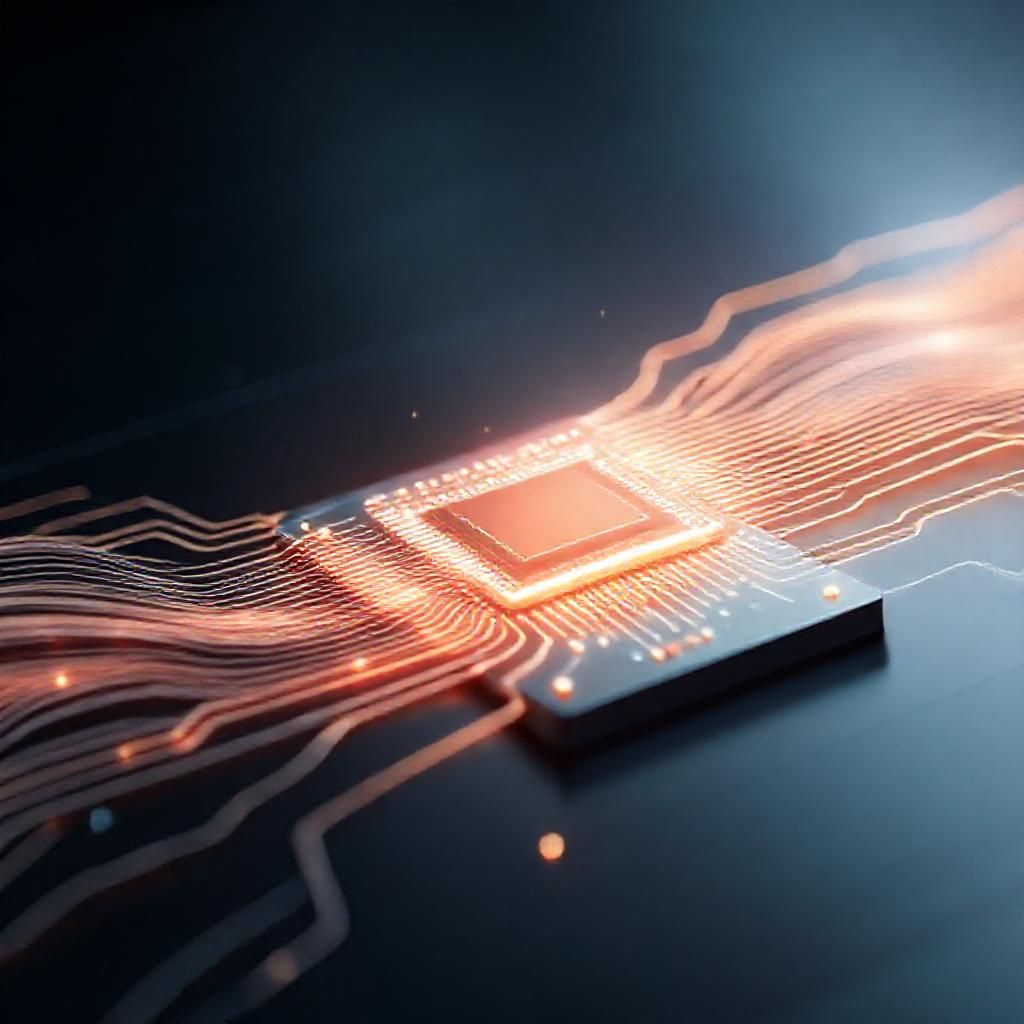
    In the ever-evolving world of technology, smaller often means better. Picture the intricate components of a computer, now imagine them condensed into a layer thinner than a human hair. Harvard researchers have achieved this remarkable feat, and it’s set to revolutionize how we think about quantum computing.

    ## The Power of the Metasurface

    At the heart of this breakthrough is a metasurface—a nanostructured layer designed to manipulate light with extraordinary precision. Traditionally, building quantum systems required bulky and complex optical components. These components are essential for generating entangled photons, a cornerstone of quantum computing. However, Harvard’s innovative metasurface chip condenses these components into a single ultra-thin layer.

    This innovation is not just about making things smaller; it’s about making quantum networks more scalable and stable. By reducing the size and complexity, quantum systems can be more easily integrated into everyday technology, potentially simplifying everything from secure communications to advanced computational tasks.

    ## Graph Theory: The Secret Sauce

    The researchers didn’t just rely on nanotechnology to achieve this. They employed graph theory, a branch of mathematics that studies the relationships between objects. By applying these principles, they optimized the design of the metasurface to perform sophisticated quantum operations efficiently.

    Graph theory enabled the team to simulate complex optical phenomena, ensuring the metasurface could generate entangled photons effectively. This means that the metasurface isn’t just a replacement for traditional optics—it’s an enhancement, offering capabilities that were previously unimaginable.

    ## A New Era for Quantum and Photonics

    The implications of this development are profound. Quantum computing has long been hailed as the next frontier, promising to solve problems that classical computers can’t even begin to tackle. However, its progress has been hampered by the size and complexity of the required components. Harvard’s metasurface chip could change that equation entirely, heralding a new era of room-temperature quantum technology.

    Moreover, this advancement signifies a major leap forward in the field of photonics, the science of light. By enabling precise light manipulation at such a small scale, the metasurface could lead to breakthroughs in everything from telecommunications to medical imaging.

    ## The Future is Thin

    As we look forward, the potential applications of this technology are vast. Imagine quantum computers that fit into your pocket, or secure communication networks that are unhackable. These dreams are edging closer to reality, thanks to a chip that’s thinner than a strand of hair.

    Harvard’s innovation is a reminder that sometimes, the most groundbreaking advancements come in the smallest packages. As research continues, we can anticipate a future where the extraordinary capabilities of quantum computing are accessible to all, transforming industries and reshaping our technological landscape.

  • Shape-Shifting Micro-Robots: The Self-Healing Swarms of the Future

    Shape-Shifting Micro-Robots: The Self-Healing Swarms of the Future

    # Shape-Shifting Micro-Robots: The Self-Healing Swarms of the Future

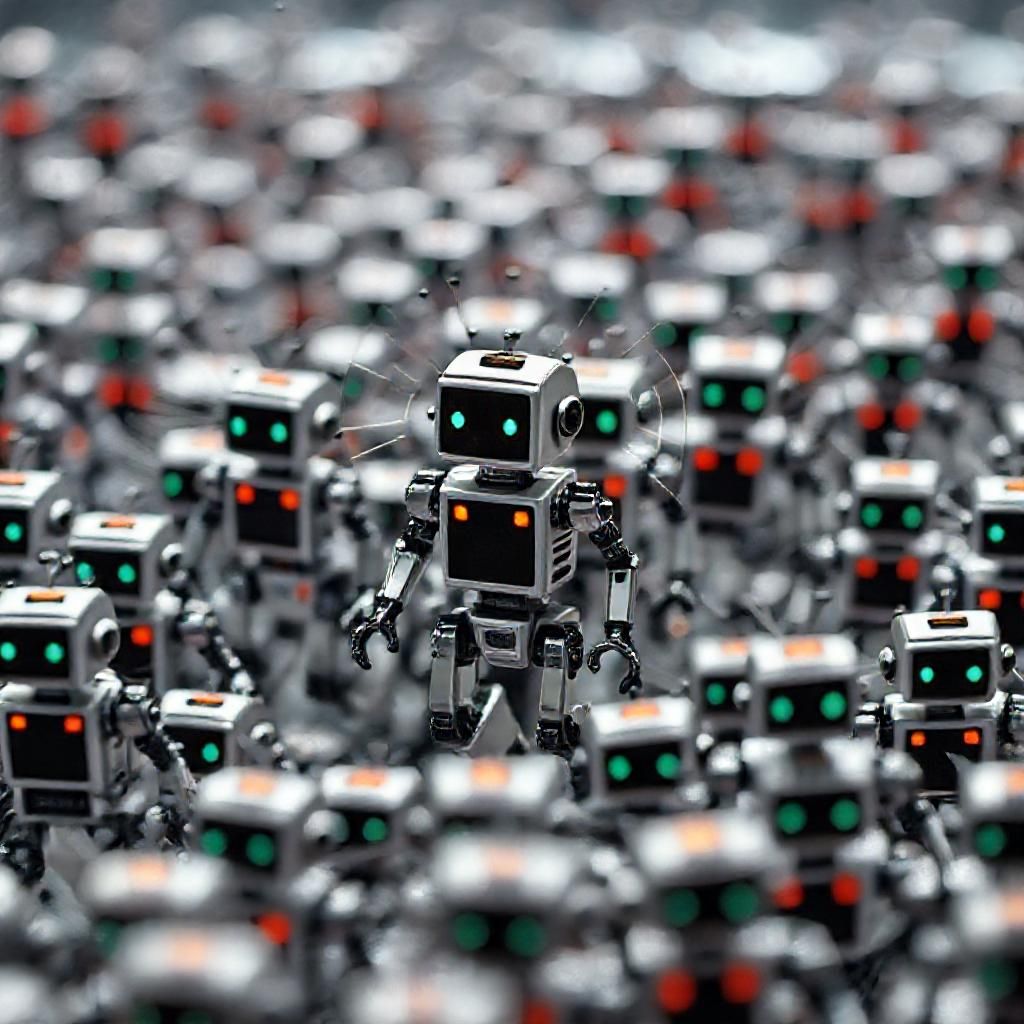
    Imagine a world where tiny robots, each no larger than a grain of sand, can communicate and work together to accomplish complex tasks. This might sound like something straight out of a sci-fi movie, but it’s becoming a reality thanks to groundbreaking research in the field of micro-robotics.

    ## The Buzz of Tiny Robots

    Scientists have developed swarms of microscopic robots that can ‘talk’ to each other using sound waves. This communication method is reminiscent of how bees buzz or birds chirp to coordinate activities within their groups. These micro-machines are not just capable of collaboration; they can also adapt to their environment, reform if damaged, and even undertake intricate tasks.

    ### How Do They Work?

    These micro-robots are engineered to use sound waves as a means of communication, which allows them to organize and act collectively. This self-organizing ability means they can adapt to changes in their surroundings, making them incredibly versatile.

    The robots communicate by emitting and interpreting sound waves, which helps them maintain formations and coordinate their movements efficiently. If one part of the swarm is compromised, the rest can reorganize to continue the task, showcasing a self-healing capability.

    ## Practical Applications

    The potential applications for these shape-shifting swarms are vast:

    – **Environmental Cleanup**: Imagine these robots deployed to clean up oil spills or other pollutants. Their ability to adapt and reform makes them ideal for tackling such dynamic challenges.
    – **Medical Treatments**: These micro-robots could one day deliver targeted therapies directly to affected areas in the human body, offering precision treatments without invasive procedures.
    – **Exploration of Hazardous Environments**: From nuclear sites to deep-sea exploration, these robots can safely explore and gather data from environments that are dangerous for humans.

    ## The Future of Robotics

    This innovation marks a significant step forward in the field of robotics. By harnessing the power of communication and collective behavior, these tiny machines could revolutionize how we approach problems in medicine, environmental science, and beyond.

    While still in the early stages of development, the progress so far is promising. As research continues, these micro-robots may soon transition from the lab to real-world applications, offering solutions to some of today’s most pressing challenges.

    This advancement not only showcases the incredible potential of robotics but also reminds us that sometimes, the smallest innovations can have the largest impacts.

  • Huawei’s CANN: A New Challenger to NVIDIA’s CUDA in AI Development

    Huawei’s CANN: A New Challenger to NVIDIA’s CUDA in AI Development

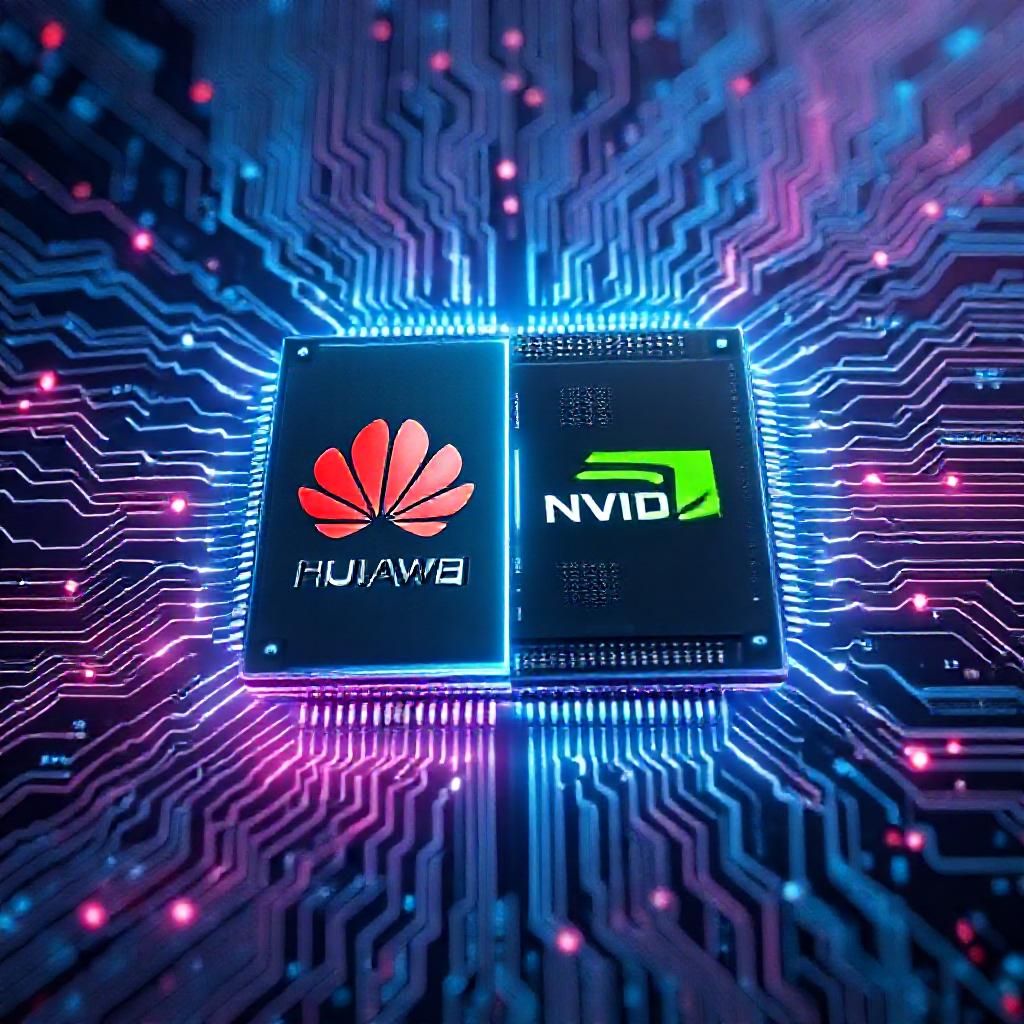
    In the ever-evolving world of artificial intelligence (AI), the tools we use can shape the future of innovation. This week, Huawei took a bold step by open-sourcing its CANN (Compute Architecture for Neural Networks) toolkit, a move that could potentially challenge NVIDIA’s dominance with its CUDA platform.

    For those new to these terms, CUDA is a parallel computing platform and application programming interface model created by NVIDIA. It allows developers to use a CUDA-enabled graphics processing unit (GPU) for general-purpose processing, which has become a cornerstone in AI and machine learning applications. CUDA’s widespread adoption is largely due to its robust performance and comprehensive support in the AI community.

    Enter Huawei’s CANN. By making CANN open source, Huawei invites developers to explore a new, potentially powerful alternative. The open-source nature of CANN means it can be freely accessed, modified, and shared by developers worldwide, which could lead to rapid innovation and the development of new AI applications that were previously limited by licensing or cost barriers.

    But what does this mean for the tech industry? In the short term, developers now have more choices. They can experiment with CANN’s capabilities without the constraints of proprietary software. This democratization of technology could lead to a more competitive landscape, where innovation is driven by a diverse range of contributors rather than a single entity.

    In the long term, if CANN gains traction, it could break the near-monopoly NVIDIA holds with CUDA in AI computing. This would encourage more companies to invest in their own AI toolkits, fostering an environment of diversity and collaboration. Additionally, for industries that rely heavily on AI, having multiple robust platforms to choose from could mean better integration, cost efficiency, and performance optimization.

    Yet, the road ahead for CANN is not without challenges. CUDA’s ecosystem is mature, with a vast repository of resources, community support, and integrations that have been built over years. For CANN to truly compete, it will need not only technological parity but also community engagement and support at a scale similar to CUDA.

    In conclusion, Huawei’s open-sourcing of CANN is a significant development in the AI landscape. While it’s too early to predict whether it will fully disrupt CUDA’s dominance, it certainly opens the door to new possibilities and innovations in AI development. As this unfolds, the tech community will be watching closely to see how developers and companies respond to this new opportunity.

  • Inside Anthropic’s AI Safety Strategy: Keeping Claude and Us Safe

    Inside Anthropic’s AI Safety Strategy: Keeping Claude and Us Safe

    # Inside Anthropic’s AI Safety Strategy: Keeping Claude and Us Safe

    In a world where artificial intelligence is becoming increasingly intertwined with daily life, ensuring that these advanced systems operate safely and ethically is paramount. Enter Anthropic, a leading AI research company that has laid out a detailed plan to keep its popular AI model, Claude, both helpful and secure. But what makes Anthropic’s approach unique, and how are they tackling the challenges that come with AI safety?

    ## The Safeguards Team: More Than Just Tech Support

    At the heart of Anthropic’s safety strategy is their Safeguards team. Unlike traditional tech support groups, this team is a dynamic blend of policy experts, data scientists, engineers, and threat analysts. Their mission? To ensure Claude doesn’t just serve its purpose effectively, but also avoids causing harm.

    This multifaceted team brings together diverse perspectives, ensuring that they anticipate the ways bad actors might exploit AI systems. Their approach is proactive rather than reactive, aiming to prevent issues before they arise.

    ## The Importance of a Multidisciplinary Approach

    Why is such a diverse team necessary? AI systems like Claude are complex, and their deployment can have wide-ranging impacts. By combining technical prowess with policy knowledge and threat analysis, Anthropic aims to cover all bases. This holistic approach is crucial in an era where AI is used in sensitive areas like healthcare, finance, and security.

    The team’s work involves not just understanding how AI could be misused, but also developing robust protocols to mitigate these risks. This includes crafting algorithms that can detect and counteract harmful behavior, as well as setting ethical guidelines for AI deployment.

    ## Outthinking the Bad Actors

    Understanding the mindset of potential bad actors is a key part of Anthropic’s strategy. By thinking like those who might wish to misuse AI, the Safeguards team can better anticipate and block malicious attempts. This forward-thinking approach makes it significantly harder for anyone to exploit Claude.

    ## Claude and the Future of Safe AI

    Anthropic’s dedication to AI safety doesn’t stop with Claude. The company is committed to sharing its insights and strategies with the broader AI community. This collaborative spirit is essential as AI continues to evolve, ensuring that safety remains a top priority for all developers.

    As we move forward, Anthropic’s work serves as a model for how AI companies can responsibly innovate. By prioritizing safety and ethical considerations, they’re not just protecting their users but also setting a standard for others in the industry.

    In conclusion, Anthropic’s AI safety strategy for Claude is a testament to the importance of a comprehensive and thoughtful approach to technology development. As AI becomes more pervasive, such strategies will be crucial in harnessing its potential while safeguarding society.

  • DeepSeek’s Journey Back to Nvidia: The Challenges of AI Chip Innovation

    DeepSeek’s Journey Back to Nvidia: The Challenges of AI Chip Innovation

    In the world of artificial intelligence (AI), the path to cutting-edge innovation is rarely straightforward. DeepSeek, a leader in AI development, recently hit a snag in its ambitious journey by attempting to train its latest model, R2, using Huawei’s Ascend AI chips. This setback not only delayed the R2 model’s launch but also forced DeepSeek to revert to the more reliable Nvidia chips, highlighting the delicate dance of technological advancement and regional self-sufficiency.

    For those not steeped in the intricacies of AI hardware, the choice of chip can make or break an AI model’s development. Chips are the engines that power the complex calculations and learning processes AI models undergo. Nvidia, a well-established player in the AI field, has long been a go-to for many AI companies due to its powerful and reliable GPU technology. Meanwhile, Huawei, a Chinese tech giant, has been striving to carve out its niche in AI hardware with its Ascend chips, part of a broader national push towards technological independence.

    DeepSeek’s initial decision to use Huawei’s chips was in line with a growing narrative of technological self-sufficiency championed by Beijing. The desire to reduce reliance on Western technology is not just about national pride; it’s also about strategic control over tech resources. However, as DeepSeek’s experience shows, the road to self-sufficiency is fraught with challenges.

    So, what went wrong? While specifics remain undisclosed, industry experts speculate that Huawei’s Ascend chips may have faced compatibility or performance issues when scaled to the demands of DeepSeek’s R2 model. This comes at a time when AI models are becoming increasingly complex, requiring ever more powerful hardware to function effectively.

    By reverting to Nvidia, DeepSeek ensures its R2 model can proceed with a trusted solution, albeit at the cost of delayed timelines. This decision underscores a critical lesson in technology development: while innovation is vital, reliability and performance cannot be overlooked.

    As AI continues to evolve, the race for more efficient and powerful chips will only intensify. This incident serves as a reminder that while the pursuit of innovation is essential, it must be balanced with practical considerations of performance and reliability. For now, Nvidia remains a steadfast ally for companies like DeepSeek, navigating the challenging waters of AI development.

  • GPT-5: The Subtle Evolution of AI Through Refinement

    GPT-5: The Subtle Evolution of AI Through Refinement

    ## GPT-5: The Subtle Evolution of AI Through Refinement

    In the fast-paced world of artificial intelligence, where groundbreaking advancements often steal the spotlight, OpenAI’s latest release, GPT-5, offers a lesson in the value of refinement. While not a revolutionary leap forward, GPT-5 represents a significant step in the ongoing evolution of AI language models, promising a more polished and efficient user experience.

    Grace Huckins, in her insightful analysis, points out that GPT-5 is, above all else, a refined product. This statement captures the essence of what OpenAI has achieved with its latest flagship model. Rather than introducing radical new features or capabilities, GPT-5 focuses on enhancing existing strengths and addressing the limitations observed in previous iterations.

    ### What’s New with GPT-5?

    For tech enthusiasts and seasoned AI developers, the most exciting aspect of GPT-5 is its improved performance in natural language understanding and generation. Users can expect:

    – **Enhanced Contextual Understanding**: GPT-5 has a better grasp of context, which allows it to generate more coherent and relevant responses in conversation.
    – **Increased Efficiency**: With optimized algorithms, GPT-5 delivers faster response times, making it more practical for real-time applications.
    – **Refinement in Language Nuances**: The model shows a superior ability to handle subtle language nuances and idiomatic expressions, improving the overall user interaction quality.

    ### The Importance of Refinement

    While some may view the lack of groundbreaking innovations as a downside, the focus on refinement is crucial for the maturity of AI technologies. In complex systems like AI language models, small improvements can have substantial impacts on usability and reliability. GPT-5 exemplifies how incremental advancements can collectively enhance the user experience and pave the way for future innovations.

    ### The Road Ahead

    OpenAI’s decision to concentrate on refining GPT-5 rather than pushing for revolutionary features sets an important precedent in the tech industry. It underscores the value of continuous improvement and the importance of user feedback in shaping technological evolution.

    As AI continues to integrate deeper into our daily lives, the incremental yet meaningful advancements in models like GPT-5 will play a critical role in ensuring that these technologies are not only powerful but also accessible and user-friendly.

    In conclusion, while GPT-5 may not be the groundbreaking marvel some anticipated, its release marks an essential chapter in the ongoing story of AI development—a story where sometimes, the most profound changes come not from drastic transformations but from thoughtful and deliberate refinements.

  • GPT-5: The AI That Makes Experts Feel Obsolete

    GPT-5: The AI That Makes Experts Feel Obsolete

    ### **GPT-5: The AI That Makes Experts Feel Obsolete**

    In the rapidly evolving world of artificial intelligence, OpenAI has once again pushed the boundaries of what’s possible with the recent release of GPT-5. If you think that sounds impressive, you’re not alone. Sam Altman, OpenAI’s CEO, expressed feelings of his own obsolescence in the wake of this new technology, drawing a striking parallel to the historical significance felt by the developers of the atom bomb. But what makes GPT-5 so groundbreaking?

    For those new to the AI scene, GPT-5 is the latest iteration of OpenAI’s Generative Pre-trained Transformer model, a sophisticated AI capable of understanding and generating human-like text. Each version of GPT has dramatically improved upon its predecessor, and GPT-5 is no exception.

    #### **What Sets GPT-5 Apart?**

    The technical prowess of GPT-5 lies in its enhanced natural language processing capabilities. It can generate text that is not only coherent but also contextually nuanced, mimicking the subtleties of human conversation with uncanny precision. This is made possible by the model’s ability to process vast amounts of data and learn from it, resulting in a tool that can assist across a range of industries—from drafting legal documents to creating personalized educational content.

    Moreover, GPT-5’s architecture allows it to handle tasks that require multi-step reasoning and deeper understanding. This marks a significant leap from previous versions, which, while powerful, sometimes struggled with tasks demanding higher-order logic and reasoning.

    #### **The Ethical Implications**

    With great power comes great responsibility, and the introduction of GPT-5 has sparked discussions about the ethical implications of such advanced AI. Altman’s comparison to the atom bomb is not just hyperbole. It underscores the potential for misuse if such technology falls into the wrong hands or is deployed without adequate oversight.

    OpenAI is acutely aware of these concerns and has implemented stringent measures to ensure that GPT-5 is used ethically. This includes developing comprehensive guidelines for its application and actively collaborating with policymakers to create a robust framework for AI governance.

    #### **A Glimpse into the Future**

    As tech giants race to develop AI models with comparable capabilities, the release of GPT-5 sets a new benchmark. It prompts a crucial question: What role will humans play in an increasingly AI-driven world? While the future is uncertain, one thing is clear: GPT-5 represents a significant step forward, not just for technology, but for how we understand and interact with the world around us.

    In conclusion, GPT-5 is more than just a technological marvel—it’s a harbinger of change. As we stand on the brink of an AI revolution, the onus is on us to harness its potential responsibly and ethically. The journey ahead is as thrilling as it is daunting, and only time will tell how GPT-5 will reshape our digital landscape.

  • Cracking the Code: Can AI Ever Truly Think Like Us?

    # Cracking the Code: Can AI Ever Truly Think Like Us?

    Imagine a world where machines can think just like humans—solving puzzles, writing novels, or even discovering new medicines with the same flair and intuition as a human mind. We’re not there yet, but the quest for Artificial General Intelligence (AGI) is a captivating journey filled with both triumphs and challenges.

    ## The Puzzle of AGI

    Today’s AI is undeniably impressive. From AI-powered models that can design molecules for new drugs to those that can write complex code, the abilities of these systems might seem almost magical. However, when faced with simple puzzles that a layperson might solve in minutes, these same AI systems often falter. This paradox lies at the core of AGI—creating machines that can seamlessly navigate both complex and mundane tasks with human-like understanding and intuition.

    ## The Roadblocks Ahead

    One of the major hurdles in achieving AGI is the current architecture of AI models. Most of today’s AI operates on narrow, task-specific intelligence, designed to excel in specific areas. For instance, a model trained to identify cancer cells in medical images might struggle with something as simple as recognizing a cat in a photograph.

    Moreover, these models lack common sense reasoning—a quintessential human trait. While a human might effortlessly understand a joke or use context to fill in missing information, AI models typically require vast amounts of data and explicit programming to mimic such feats, often with varying success.

    ## Navigating Towards AGI

    Bridging this gap requires breakthroughs not just in algorithmic strategies but also in understanding human cognition itself. Researchers are exploring various approaches, such as integrating neural networks with symbolic reasoning, to enhance AI’s ability to understand and manipulate abstract concepts.

    Another promising direction is the development of AI systems that can learn and adapt in real-time, much like a human would. This involves creating models that not only process vast datasets but also spontaneously generate and test hypotheses, learning from their environment and experiences.

    ## The Ethical Dimension

    As we inch closer to potentially creating machines with human-like intelligence, we must also ponder the ethical implications. How do we ensure that AGI serves humanity’s best interests? Designing ethical guidelines and regulatory frameworks will be crucial in managing how AGI is developed and deployed.

    ## Conclusion

    While the dream of AGI remains on the horizon, the continuous advancements in AI technology bring us ever closer. The journey is not just a technical challenge but also an exploration of what it means to be human. As we move forward, understanding both our capabilities and limitations will be key to unlocking the true potential of artificial intelligence.

    Join the conversation: How do you think AGI will change our world? Share your thoughts in the comments below!

  • The New AI Super Sleuth: How Google and UC Riverside are Tackling Deepfakes

    The New AI Super Sleuth: How Google and UC Riverside are Tackling Deepfakes

    ### The New AI Super Sleuth: How Google and UC Riverside are Tackling Deepfakes

    In the digital age, seeing is no longer believing. As AI technology advances, so does the sophistication of deepfakes—videos manipulated to depict false realities. These digital forgeries can be so convincing that even experts struggle to discern truth from deception. Enter UNITE, a groundbreaking innovation from UC Riverside and Google, poised to revolutionize the way we detect deepfakes.

    Traditionally, deepfake detection has relied heavily on analyzing faces, the most manipulated element in these videos. But what happens when the faces aren’t visible? This is where UNITE, short for Universal Network for Identifying Tampered Environments, steps in. This cutting-edge tool diverges from conventional methods, casting a wider net by scrutinizing backgrounds, motion, and other subtle cues that may indicate digital tampering.

    The brilliance of UNITE lies in its ability to detect anomalies in videos where faces aren’t the focal point. By analyzing the entire scene, including props, lighting, and movement, it uncovers inconsistencies that human eyes might miss. This comprehensive approach is crucial as deepfakes become easier to produce and harder to catch.

    Why does this matter? In our hyper-connected world, misinformation spreads like wildfire. Deepfakes can be used for nefarious purposes—from political manipulation to personal vendettas. As the technology to create these videos becomes more accessible, the need for robust detection tools becomes imperative. UNITE offers a promising solution, potentially becoming a vital tool for newsrooms and social media platforms committed to preserving the truth.

    This collaboration between Google and UC Riverside highlights the growing alliance between academia and industry in tackling digital threats. With technology evolving rapidly, such partnerships are vital to staying ahead of bad actors who seek to exploit these advancements.

    In a broader context, UNITE’s development is part of a larger trend of AI being used to combat AI-driven threats. As we continue to navigate the complexities of the digital era, tools like UNITE serve as beacons of hope in the ongoing battle to maintain the integrity of information.

    ### The Road Ahead

    Looking forward, the implementation of UNITE could pave the way for more comprehensive digital literacy and security measures. As deepfake technology continues to evolve, so too must our strategies for detection and prevention. The fight against digital misinformation is far from over, but with tools like UNITE, we are better equipped to tackle the challenge.

    In conclusion, while the battle against deepfakes is a daunting one, innovations like UNITE provide a glimpse into a future where truth is safeguarded by technology itself. It’s a reminder that in the digital age, while threats may be invisible, so too are our allies.

  • Harvard’s Ultra-Thin Chip: A Game Changer for Quantum Computing

    # Harvard’s Ultra-Thin Chip: A Game Changer for Quantum Computing

    Quantum computing has long been hailed as the next frontier in technology, promising to solve complex problems that are beyond the reach of classical computers. But one of the hurdles has been the bulky and intricate hardware required to handle quantum operations. Enter Harvard’s latest innovation: an ultra-thin metasurface chip that could revolutionize the field.

    ## A Thin Layer with Big Potential

    Imagine a chip thinner than a strand of human hair, yet capable of performing the complex tasks necessary for quantum computing. This is the groundbreaking creation from researchers at Harvard who have developed a nanostructured layer known as a metasurface. This isn’t just any ordinary chip; it’s designed to replace the bulky optical components traditionally used in quantum computing.

    ## The Role of Graph Theory

    What makes this innovation even more fascinating is the application of graph theory in its design. By leveraging the principles of graph theory, the team has managed to simplify the creation of these quantum metasurfaces. This approach allows the chip to generate entangled photons—a cornerstone of quantum computation—and perform sophisticated quantum operations with remarkable efficiency.

    ## Implications for Quantum Networks

    The implications of this technology are profound. By making quantum networks more scalable and stable, this ultra-thin chip could pave the way for more compact quantum devices. Imagine the possibilities for industries ranging from cryptography to materials science, where quantum computing could unlock solutions previously deemed impossible.

    ## Room-Temperature Quantum Technology

    One of the most exciting aspects of this development is its potential to advance room-temperature quantum technology. Traditionally, quantum devices required extremely low temperatures to function, adding layers of complexity and cost. Harvard’s metasurface chip could sidestep these challenges, making quantum technology more accessible and practical.

    ## The Future of Quantum Computing

    As the field of quantum computing continues to evolve, innovations like Harvard’s ultra-thin chip are crucial. By simplifying the hardware and enhancing the scalability of quantum networks, this metasurface could be a key player in bringing quantum computing from the lab to real-world applications.

    In conclusion, this tiny chip represents a giant leap forward in quantum technology. As researchers continue to refine and test this metasurface, the future of quantum computing looks brighter—and perhaps thinner—than ever before.

    ## Stay Tuned

    Keep an eye on this space as we witness the unfolding of quantum computing’s next chapter. With innovations like Harvard’s ultra-thin chip, the possibilities are limitless.